


SkillCat: HVAC & EPA 608
4.91.32K Reviews
App Specs
- Version
- 7.0.5
- Updated On
- License
- Free
- Downloads
- 100,000+
- Developer
- SkillCat
- Categories
- Education
- Platform
- Android
Screenshots
 Analysis by AppCompare
For someone trying to enter HVAC, the first challenge is often not choosing a tool but working out what to learn before the next class, interview, or shift. I found SkillCat: HVAC School, EPA 608 most useful as a way to bring training onto a phone and make a broad subject feel more approachable. It is an education app from SkillCat, and its focus on HVAC learning gives it a clearer purpose than a general study app. I would treat it as a study companion, though, not as a replacement for supervised hands-on work.
Choosing a starting point that fits your goal
The right first step depends on why you opened the app. If you are new to the trade, a lesson on core HVAC ideas is a more sensible starting place than jumping straight into exam practice. If you already work around equipment, you may prefer to use a topic to refresh your understanding before asking a more experienced technician about a task. That distinction matters: a phone lesson can help organize what you know, but it cannot show you how a particular unit is wired, installed, or behaving on site.
I also like the flexibility of being able to study in short stretches. A trainee could review a concept during a quiet part of the day, then return to it later rather than needing a long block of uninterrupted time. My practical tip is to keep a small list of terms or questions that remain unclear and bring them to a class, mentor, or job-site discussion. That turns mobile study into a bridge to real instruction instead of an isolated activity.
From a lesson to a useful study routine
SkillCat is free to start, with in-app purchases ranging from $0.99 to $96.00 per item, so I would check the details of any paid option before treating it as part of a study plan. The app is rated for Everyone, and its average rating is 4.9 from around five thousand ratings, with roughly 1.2 thousand written reviews. It has passed one hundred thousand installs. Those figures suggest plenty of people have tried it, but they do not tell you whether a particular course fits your needs; the best test is whether its teaching style helps you retain the material.
A useful routine is to study one concept, pause, and explain it in your own words before moving on. For refrigeration topics, for example, try describing what each part of a cycle contributes rather than simply recognizing the right answer in a quiz. If you miss a question, revisit the underlying idea instead of memorizing the choice. That approach is slower than tapping through lessons, but it is more likely to help when the question is phrased differently or when a technician asks you to reason through a problem.
One trade-off with mobile learning is that short lessons are convenient but can make a complicated subject feel simpler than it is. HVAC work involves equipment, measurements, safety procedures, and conditions that vary from one job to another. I would use the app to prepare questions and reinforce concepts, then rely on qualified instruction and the proper procedures when work becomes practical. It is especially important not to treat a quiz result as proof that you are ready to diagnose or repair a live system on your own.
Getting Started with SkillCat
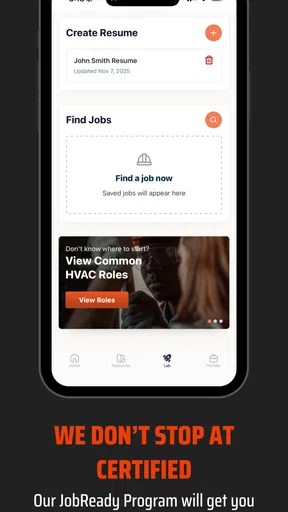
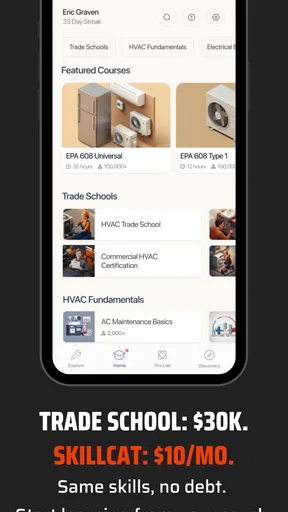
Once you download the app, it’s super straightforward to set up. The interface is clean, and it doesn’t bombard you with unnecessary fluff. You’re greeted with a user-friendly dashboard that navigates you through various training modules. Whether you’re a newbie or seasoned pro, there’s something in there for everyone. Just dive into the section that tickles your fancy, and off you go!
Worth Reading Before You Choose

Flipboard Shows What News Apps Must Do Beyond the Feed

Switching to Android Auto Means Rethinking Your Driving Routine

Google Calendar Makes a Crowded Week Easier to Manage

Ludo King Makes the Most of the Minutes Between Plans

Baby Panda World Brings Quick Play to Modern Phones, but Its Game Library Feels Busy

ESPN’s Live Game View Makes Following Close Games Easier
Comprehensive Training Modules
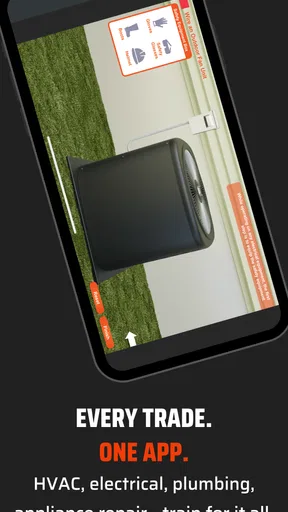
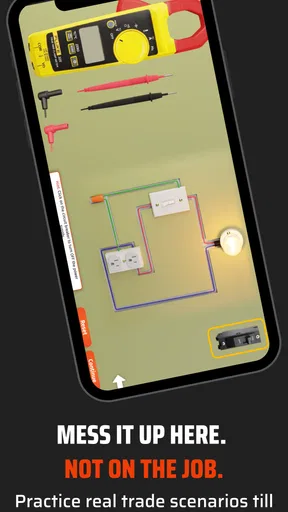
What really caught my eye is how SkillCat: HVAC School breaks down complex concepts into bite-sized lessons. You’ll find everything from the basics of refrigeration cycles to advanced system troubleshooting. The app offers interactive exercises that make learning not just informative but actually fun! It’s like playing a game while learning. Plus, the quizzes at the end of each module are a great way to test what you’ve absorbed.
EPA 608 Certification Made Easy
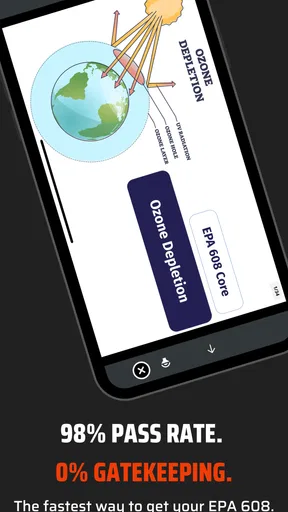
Now, here’s where it gets real interesting. The EPA 608 certification is a big deal in the HVAC world, and this app has a dedicated section to help you nail it. The prep material is thorough, mirroring what you’d expect in the actual exam. It’s like having the answers whispered in your ear before a big test. You also get practice exams that are timed, giving you a real feel of the exam atmosphere.
User Experience and Design
One thing I always appreciate is a solid user experience, and this app delivers. The transitions between screens are smooth, and the lessons load without a hitch. There’s nothing more frustrating than an app that crashes mid-lesson, but thankfully, that’s not something you have to worry about here. The design is intuitive, making it easy for anyone to jump right in, regardless of tech-savviness.
Community and Support
Learning can sometimes feel like a solo journey, but SkillCat changes that with its community features. You can join forums, ask questions, and share insights with fellow HVAC enthusiasts. It’s a fantastic way of building connections and getting those burning questions answered by peers or experts. Plus, if you ever hit a bump, the support team is just a few taps away, ready to assist.
Using the app alongside class, work, and exam preparation
The strongest workflow is to let each learning setting do a different job. I would use SkillCat to introduce or review a topic, use a classroom or instructor to clarify anything that remains fuzzy, and then connect that explanation to equipment only under appropriate supervision. Before an EPA 608 exam, the app’s dedicated preparation and timed practice can help you get accustomed to answering under a clock. But practice questions are rehearsal, not a guarantee of passing, and they should not be your only preparation if you find that you are guessing rather than understanding.
For a realistic everyday example, imagine an entry-level worker with a short break before an afternoon lesson. They could revisit one refrigeration concept, attempt a quiz, and jot down the distinction they keep mixing up. At class, that note becomes a precise question rather than a vague “I don’t get it.” Later, a teacher or experienced technician can connect the idea to the equipment and safety practices the app cannot reproduce. That small handoff—from app to person to supervised practice—is where mobile training becomes more valuable.
Who benefits most, and when another resource is better
I think the app is a good fit for people exploring HVAC, trainees who want a portable way to revisit coursework, and workers who need a structured refresher. It can also suit someone preparing for EPA 608 who benefits from short study sessions and timed practice. The fact that it is available on mobile makes it easier to fit learning around a changing schedule, although I would still choose a larger screen or printed notes when a topic needs careful comparison or extensive annotation.
It is less suitable as the sole resource for someone who needs supervised equipment training, direct feedback on technique, or a formal instructor’s explanation of a difficult subject. In those cases, a trade-school class, workplace mentor, or hands-on lab is the better choice. Compared with a textbook, the app can make review feel more active through lessons and quizzes; compared with an instructor, it cannot adapt to your exact misunderstanding in the same way. I see those options as complementary rather than competing.
Another useful trade-off to keep in mind is the difference between learning a principle and applying it under job conditions. A quiz can reveal that you do not yet understand a concept, but it cannot assess how you handle tools, follow site procedures, or respond when a system does not match the example in a lesson. I would use missed questions to decide what to review, not as a checklist for attempting work independently. When a lesson raises a practical safety question, take it to a qualified instructor or supervisor before acting.
Small habits that make mobile study count
To get more from a lesson, I would avoid racing through several modules just to see progress. After each one, write a short explanation from memory, then check whether it matches what you learned. For a topic that has steps or related components, sketching the relationship on paper can expose gaps that multiple-choice answers might hide. These habits do not require extra app features; they simply make the learning more active and give you something concrete to discuss with an instructor.
It also helps to separate exam preparation from broader trade learning. If your immediate goal is EPA 608, keep your review focused and use timed practice to notice whether you can recall material under pressure. If your goal is becoming more capable on the job, do not let exam-style success stand in for practical judgment. A person can be comfortable with test questions and still need considerable supervised experience with real equipment. Keeping those goals distinct prevents a useful study tool from being asked to do a job it was not designed for.
Where the learning flow can break
The main friction is not necessarily navigating the app; it is deciding what to do when a lesson leaves you uncertain. A short explanation may introduce a term without resolving the specific question you have about a particular system. That is the moment to stop, note the question, and seek clarification rather than clicking through in the hope that another quiz will settle it. Community discussion can be helpful for exchanging perspectives, but for technical or safety-critical decisions I would prioritize a qualified instructor or supervisor.
There is also a difference between a smooth learning interface and a complete learning environment. Phone-based study is convenient, but notifications, a small display, and the temptation to multitask can interrupt concentration. I would keep sessions focused, especially for timed practice, and avoid judging my preparation from a single strong or weak attempt. Returning to a topic after a gap is a better check of retention than immediately repeating the same answers.
The app’s current version is 7.0.2, and it works on Android 7.0 or later. That makes it accessible to many Android users, though anyone using an older device should check compatibility before planning around it. For people who want to study across a phone and another platform, it is worth confirming that the learning setup they intend to use suits their devices before committing to a paid item or a longer routine.
Final Thoughts
In the end, SkillCat: HVAC School, EPA 608 is more than just an app; it’s a trusty companion for anyone serious about HVAC. It’s loaded with valuable content, presented in a way that’s engaging and easy to digest. Whether you’re prepping for the EPA 608 exam or just brushing up on your HVAC skills, this app is a worthy addition to your learning toolkit. So, if you’re ready to elevate your HVAC game, give it a shot—you might just find it’s the mentor you never knew you needed.
My recommendation is to try it if you want a mobile starting point for HVAC study and are comfortable combining app-based lessons with other learning. SkillCat is most convincing when it helps you identify what to review, practice recalling it, and bring better questions to a person with field experience. If you need hands-on instruction first, choose that before relying on a phone. Used with the right expectations, it can make study easier to fit into an ordinary day without confusing convenient practice with professional readiness.
Pros
- Comprehensive HVAC training resources.
- User-friendly interface for easy navigation.
- Free practice tests for certification exams.
- Offline access to materials available.
- Regular updates with new content.
Cons
- Limited to HVAC industry only.
- Some features require in-app purchases.
- Occasional app crashes reported.
- Requires stable internet for updates.
- Content may be too basic for experts.
FAQs for SkillCat: HVAC & EPA 608
What is SkillCat: HVAC School, EPA 608 designed for?
SkillCat: HVAC School, EPA 608 is specifically crafted for individuals looking to enter or advance in the HVAC industry. The app provides comprehensive training and resources to help users prepare for the EPA 608 certification exam. It's an ideal tool for both newcomers and seasoned professionals seeking to enhance their skills.
Does SkillCat offer any certifications upon completion?
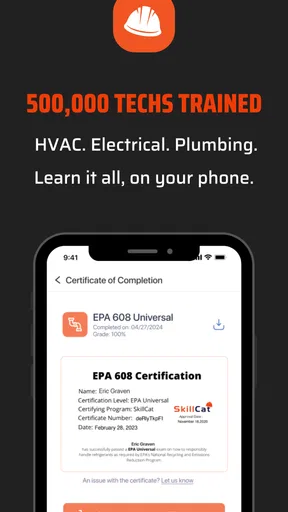
Yes, SkillCat provides the opportunity to earn an EPA 608 certification, which is crucial for HVAC technicians who handle refrigerants. The app includes study materials and practice exams to ensure users are well-equipped to pass the certification test, making it a valuable resource for career advancement.
Is SkillCat suitable for beginners in the HVAC field?
Absolutely, SkillCat is designed to cater to all levels of expertise, including beginners. The app offers foundational courses that cover essential HVAC concepts, allowing newcomers to build a solid understanding. It's structured to gradually advance users through more complex topics as they progress.
Does the app require an internet connection to function?
SkillCat generally requires an internet connection to access its full range of features, including video lessons, interactive quizzes, and real-time updates. However, some study materials may be available for offline use, allowing users to continue their learning without interruption.
What kind of support does SkillCat provide to its users?
SkillCat offers robust support options, including access to expert instructors and a community of peers. Users can ask questions, share insights, and receive feedback through the app’s forums and discussion boards. Additionally, customer support is available for technical assistance and guidance.


